Beyond the Standard Luxury Encounter: The Cinematic Shift
The "Standard Luxury Encounter" is a passive one. The guest is a spectator, being served by a polite staff in a beautiful room. It is professional, but it is static. To capture the imagination of the next generation of wealth, properties must move toward the Cinematic Shift—treating the guest stay as a multi-act theatrical production where the guest is the protagonist.
the bridge between hospitality and immersive theater.
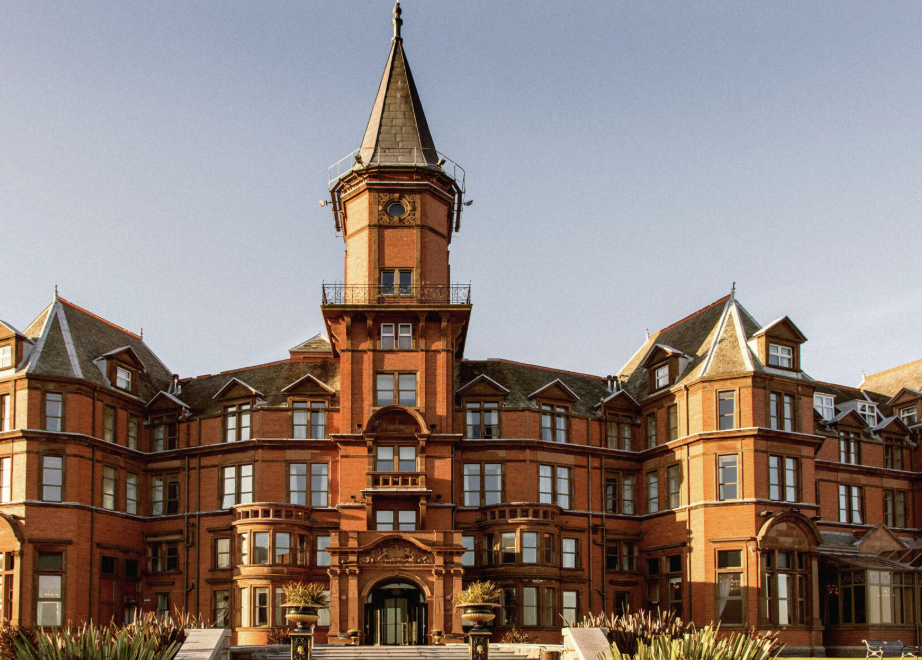
At Christina Rhodes Studio, we don't just "book entertainment"; we author worlds. When we produced Frankenstein at The Gore, we weren't just putting on a play; we were transforming a historic hotel into a living, breathing narrative that guests could touch, taste, and influence.
The Cinematic Shift requires a rigorous operational framework. It involves training in-house teams to be "Cast Members" in a larger story without losing the efficiency of 5-star service. It means looking at the property's history—its Heritage Narrative—and modernizing it through a lens that feels vital and urgent. For a CEO, the value of the Cinematic Shift is the ability to monetize every square inch of an asset. By layering storytelling over physical infrastructure, we unlock new revenue streams and elevate the brand from a service provider to a cultural icon. We are no longer selling rooms; we are selling the opportunity to live a more extraordinary version of one's own life.

01.
Architecture of
the Protagonist
Traditional luxury places the guest is in a gilded cage of service; the Cinematic Shift places them center stage. By viewing the guest journey as a script rather than a checklist, we transform passive amenities into narrative milestones. This shift in perspective ensures that every interaction is imbued with purpose and dramatic tension.
the approachFrom Service to Performance: We train staff to maintain 5-star standards while inhabiting the narrative, turning routine check-ins into "prologues."
The Living Set: Every physical asset—from the lobby to the library—is re-imagined as a stage for scripted encounters and discovery.
Tactile Narrative: Guests interact with the story through "touch-points" like vintage correspondence, hidden artifacts, and sensory cues that advance the plot.
02. Monetizing the Narrative Blueprint
This approach allows asset managers to unlock value in "dead zones" of the property.
A hallway is no longer just a thoroughfare; it is a transition in a narrative. A quiet library during the off-season becomes the stage for a "Secret Society" ticketed event. By layering story over space, we create price-inelastic demand for every square foot of the property.
03.
From Service Provider to
Cultural Icon
When a property moves beyond the "Standard Encounter," it gains a unique cultural gravity. The Cinematic Shift ensures that your brand is not just a place to stay, but a protagonist in the guest's life story. This transition from a hospitality provider to an experience author is the ultimate safeguard against the commoditization of luxury.
The OutcomeThe Cinematic Shift transforms static assets into dynamic revenue engines by placing the guest at the heart of a bespoke narrative. It is the evolution from providing a service to authoring a world that guests are desperate to inhabit.